

The rise of fast interiors: a brief history of disposable design
Interiors have not always moved at the pace they do today. The expectation that we might refresh a room every few years — or even every season — is a relatively recent cultural shift, and understanding how it happened helps us think more clearly about the choices available to us now. To understand how we arrived at a world of flatpack furniture, trend cycles, and regular room refreshes, it helps to look back at the longer history of design.
Are interiors frivolous?
I grew up in the 90s, and my introduction to interior design was via the 48 hour makeover show ‘Changing Rooms’.
People would paint walls in extreme colours, glue-gun feathers onto lampshades and use copious amounts of MDF to make furniture; all in the hopes of transforming a plain room into something special for their fellow contestants (who also happened to be their next-door neighbours).
Changing Rooms inspired me (aged 11) to redecorate my own bedroom twice; but also framed interior design in my eyes as something creative, expressive, accessible - but ultimately frivolous.
Although I continued to renovate my own homes, it wasn’t until I was in my early 30s that I revisited interiors as a profession via a Netflix profile of Ilse Crawford; an interior designer known for creating interiors that prioritize human experience, comfort, and wellbeing.
Suddenly I saw: as well as being creative, interior design has huge power to influence how we live and feel.
A beginner’s guide to sustainable materials for interiors
A couple of years ago we extended our house. We'd had a fire, the kitchen was full of damp, and what started as necessary repair work became something bigger — knocked down walls, new space, an open plan living environment we're genuinely grateful for. But I hadn't anticipated the sheer volume of materials involved – and the waste. The amount of stuff the builders put straight into the skip without a second thought. Watching that unfold — standing in my own home, watching potentially usable, often non-biogradable, sometimes toxic materials disappear into landfill — made me start to see the built environment differently. Not as a finished ‘after photo’ but as an accumulation of material decisions. I realised that most of us, myself included, make those decisions without nearly enough information.
Nature connected interior design: why it matters - and a practical framework
When you walk into a room that instantly feels calm, it’s often not the furniture or paint alone that creates that feeling — it’s the subtle presence of nature. Research shows our connectedness to nature profoundly shapes our wellbeing, mental functioning, behaviour, and even sustainability choices.
Yet as daily contact with nature has declined, particularly within urban and domestic life, opportunities to build and sustain this connection have become increasingly limited. In this context, our interiors take on renewed importance, having the potential to support not just comfort or function, but an ongoing relationship with the living world.
What makes an interior meaningful?
When we think about our homes, most of us picture comfort, safety, and a sense of belonging. But what if our interiors could do more? What if the choices we make — the furniture we buy, the materials we use, the atmosphere we create — could also help us feel more grounded, more connected to nature, and kinder to the planet?
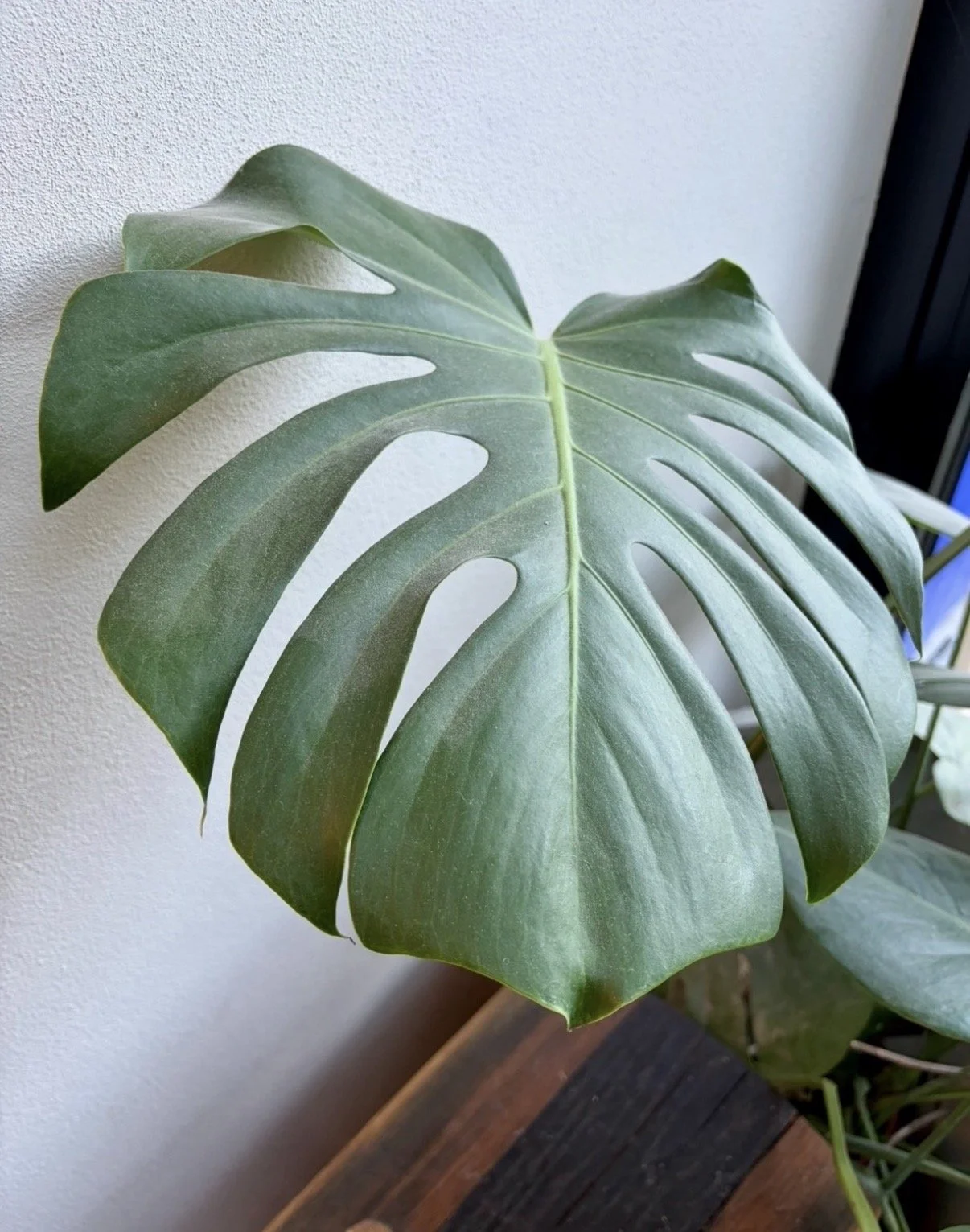
Earth & Origin: the case for nature-first, meaningful interiors
When we think about our homes, most of us picture comfort, safety, and a sense of belonging. But what if our interiors could do more? What if the choices we make — the furniture we buy, the materials we use, the atmosphere we create — could also help us feel more grounded, more connected to nature, and kinder to the planet?